
Is wild Greenwich animal feces dangerous to touch or breath?
I don't think anyone generally realizes just how dangerous breathing in the dust from Greenwich animal feces or actually coming into physical contact with animal feces can be. To give you some idea in 2010 US poison control centers received over 6000 phone calls asking advice regarding exposure to various types of feces and urine, that's true, over 6000. It must be said that a lot of these phone calls were from anxious parents of very small children who picked up a piece of animal feces and promptly eaten it and of course the parents went into full panic mode.
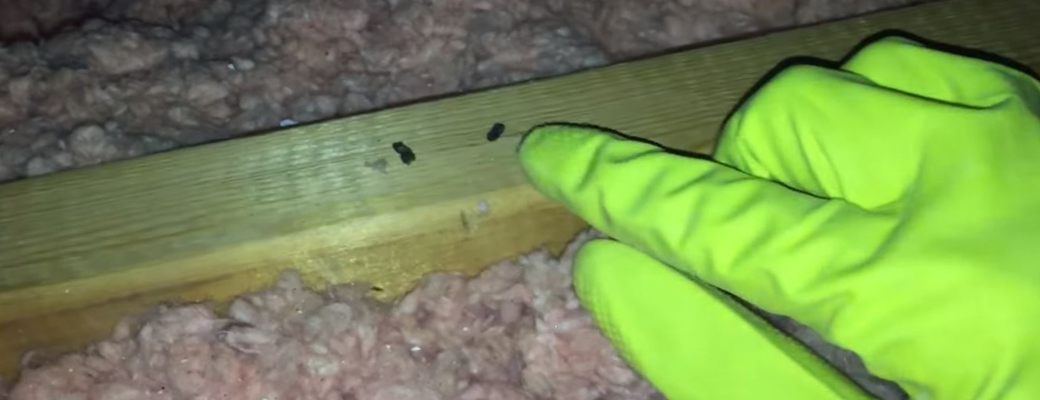
Connecticut nimal feces is mostly not harmful, as in it does not carry any harmful bacteria but when it does the bacteria involved are really nasty buggers. There is a particular nasty bacteria that raccoons sometimes have if they have the roundworm that causes this infection. The bacteria is called Baylisascaris procyonis infection, the symptoms of being infected with this bacteria are nausea, tiredness, irritability, visual difficulties, loss of coordination, loss of muscle control, leading to paralysis, seizures, coma and then eventually death. So as you can see it is definitely not a nice bug.
Of course you can catch more common bacteria like E. coli, hepatitis A and salmonella from various different Greenwich animal feces, however you are more likely to catch the first two of those from other sources, hepatitis A is more likely to be transferred from human feces than animal feces. The most common infection from animal feces is salmonella, it can be caught from the feces of turtles, birds, dogs, cats, guinea pigs, hamsters but the bacteria has to be ingested for you to get infected.
One of the most dangerous viruses you can catch from a Greenwich animal feces is a thing called hantavirus pulmonary syndrome and it is usually only caught by inhaling the dust from rat feces. Symptoms of this virus include headaches, nausea, fever, rapid heartbeat, rapid breathing and difficulty breathing. The experts all say that there is a myriad of diseases that can be transmitted by feces of any kind but if you follow basic good hygiene methods that your risk is minimal. Always wash your hands before eating or drinking and especially after doing anything that involves hands-on activities with your pets. Never pick up any kind of feces with your bare hands, always use gloves or implements, like pooper scoopers to clean up after your animals.
Visit our Greenwich wildlife trapping home page to learn more about us.
© 2018 Greenwich Wildlife - Wild Animal Removal Services
